Healthy Everyday Meal Planning and Balanced Eating Tips

A step-by-step approach to planning nutritious, varied, and satisfying meals throughout the week — without spending hours in the kitchen.

Why Meal Planning Supports a Balanced Routine

Thinking ahead about your meals — even just a little — can make a meaningful difference in how varied and balanced your food choices are throughout the week. When you have a loose plan in place, you are less likely to reach for whatever is quickest when hunger sets in.

This guide walks through a practical, low-effort approach to meal planning that focuses on balance and variety rather than strict rules or calorie counting.

This guide is for educational and informational purposes only and is not a substitute for personalized dietary advice. If you have specific nutritional needs or health considerations, consult a qualified nutrition professional.

The Basics of a Balanced Plate

A useful starting point for thinking about balance at each meal is to consider the proportions of what is on your plate. A widely recognized framework suggests filling roughly half your plate with vegetables and fruit, a quarter with whole grains or starchy foods, and the remaining quarter with protein-rich foods.

This is a general guide, not a rigid prescription. The proportions will naturally vary depending on the meal, your preferences, and your circumstances.

Vegetables and Fruit

Aim for variety and color across the week. Different colored produce tends to offer different nutritional profiles, so mixing things up is a straightforward way to add variety.

Whole Grains

Brown rice, oats, whole wheat bread, quinoa, and barley are examples of whole grains that provide fiber alongside energy and keep you feeling fuller for longer.

Protein-Rich Foods

Legumes, eggs, fish, poultry, tofu, and lean cuts of meat are all options that contribute protein. Plant-based options like lentils and chickpeas are also rich in fiber.

Healthy Fats

Nuts, seeds, avocado, and oils like olive oil provide fats that are part of a varied diet. These add flavor and contribute to a sense of satisfaction after eating.
A Simple Weekly Meal Planning Process

An effective meal plan does not require hours of preparation. A short session once a week — perhaps 15 to 20 minutes — is often enough to set yourself up for more consistent eating across the coming days.

  1. Take stock of what you have

    Before planning, check your fridge, freezer, and pantry. Building meals around what you already have reduces waste and cuts grocery costs.

  2. Sketch out a loose meal map

    You do not need a rigid schedule. Simply noting which types of meals you plan for which days — keeping a few flexible slots for leftovers or easy fallbacks — is enough to guide your week.

  3. Write a focused shopping list

    Based on your meal map and what you already have, write a list organized by section of the store to make your trip more efficient.

  4. Do a short prep session

    Washing and chopping vegetables, cooking a pot of grains, or preparing a batch of legumes at the start of the week makes assembling meals significantly quicker on busy days.

  5. Keep a few simple fallback meals in mind

    Everyone has days when things do not go to plan. Having one or two quick, simple meal ideas you can always fall back on — like eggs with vegetables, or a grain bowl — keeps your week on track.

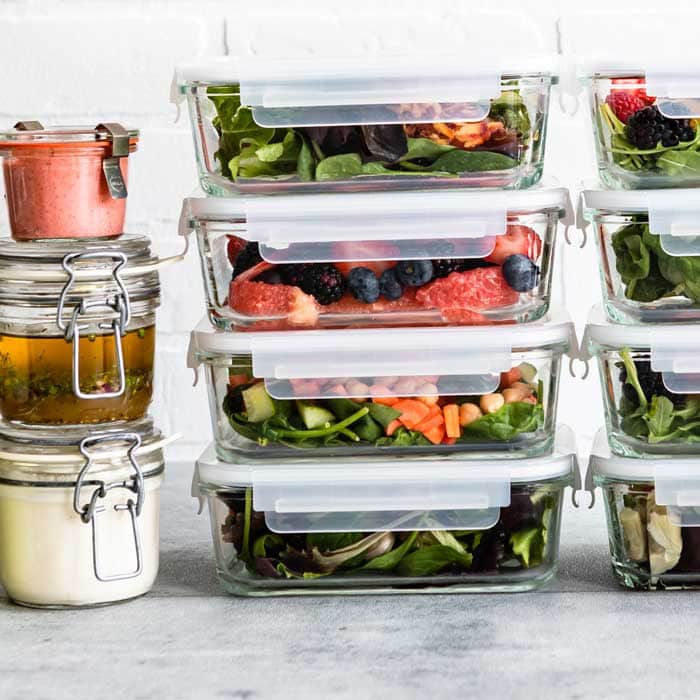
Glass containers filled with prepped whole grains, vegetables, and legumes ready for the week

The Value of Batch Cooking

Batch cooking — preparing larger quantities of one or more components at a time — is one of the most efficient ways to make balanced eating more achievable during a busy week. Rather than cooking full meals from scratch every day, you prepare versatile building blocks once and combine them differently across meals.

  1. Cook grains in bulk A large pot of brown rice, quinoa, or barley stores well in the fridge for several days and works as a base for many different meals.
  2. Roast a tray of vegetables Roasted vegetables keep well and can be added to grain bowls, wraps, soups, or eaten as a side with virtually any main.
  3. Prepare legumes from dried Cooking dried lentils or chickpeas in a large batch is cost-effective and gives you a versatile, protein-rich ingredient across the week.

Bringing Variety into Your Weekly Eating

Variety is often cited in nutritional guidance as a useful principle for ensuring a broad range of nutrients from food. In practice, this means rotating different grains, proteins, and vegetables rather than eating the same meals every day.

A simple way to introduce more variety without overcomplicating your routine is to change one element of a familiar meal. If you regularly have a grain bowl, try a different grain, swap the protein, or use a new vegetable. This approach keeps meals interesting without requiring you to learn entirely new recipes.

Seasonal Eating as a Natural Framework

Following seasonal produce availability is a practical and affordable way to introduce variety. Vegetables and fruit that are in season tend to be more readily available, often at lower cost, and are a natural prompt to rotate what you are eating throughout the year.

Keeping Balance in Mind Without Rigidity

Balance across a week matters more than perfect balance at every single meal. Some meals will naturally be heavier in one food group than another — and that is entirely normal. Looking at your eating patterns over several days rather than one meal at a time provides a more realistic and sustainable perspective.

All information in this guide is for general educational purposes. Individual nutritional needs vary. For tailored guidance, please consult a registered dietitian or qualified nutrition professional.

Continue Building Your Knowledge

Pair this meal planning guide with our everyday nutrition habits resource for a more complete picture of building balanced food routines.

Nutrition Habits Guide Ask a Question